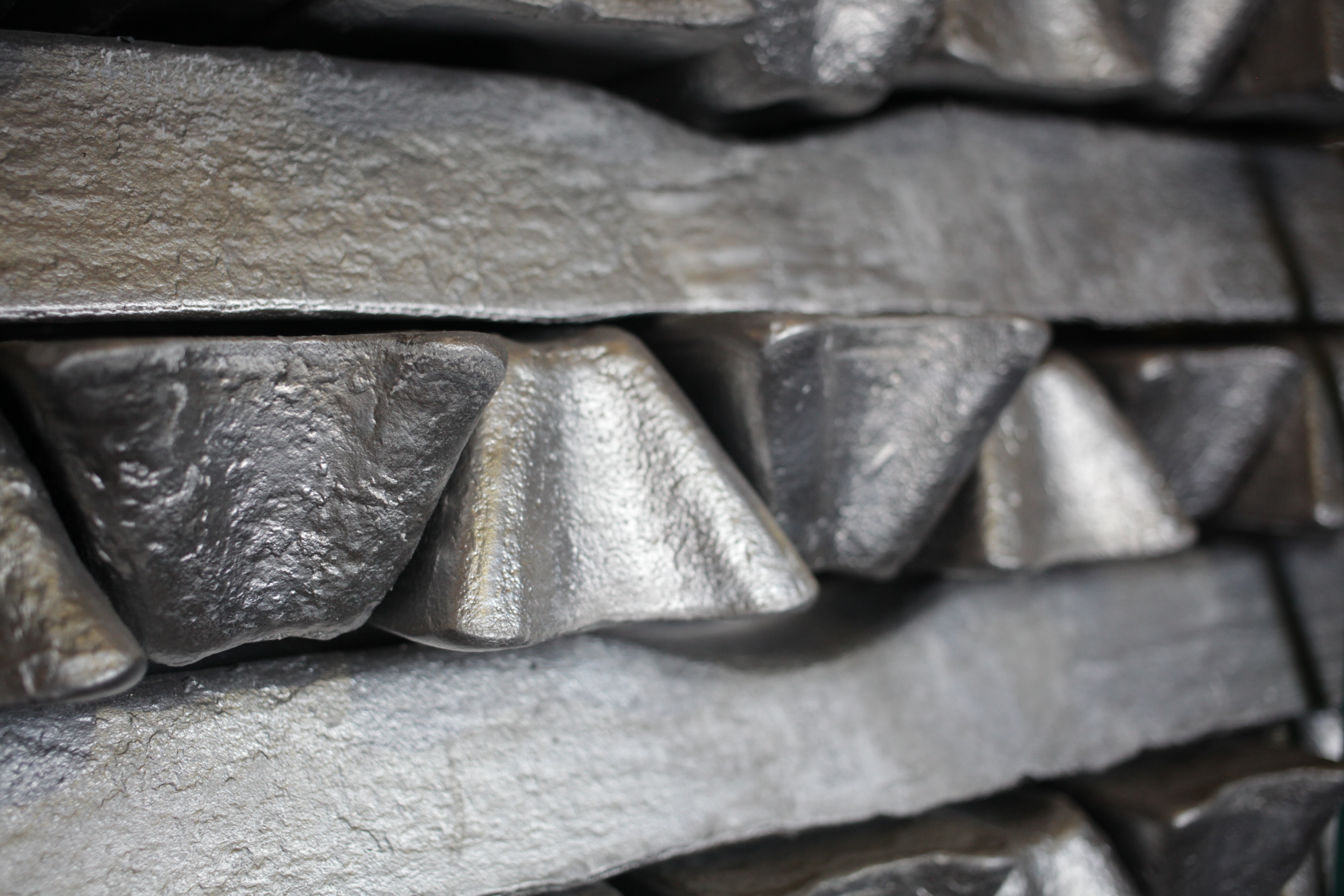
Gravity Foundry
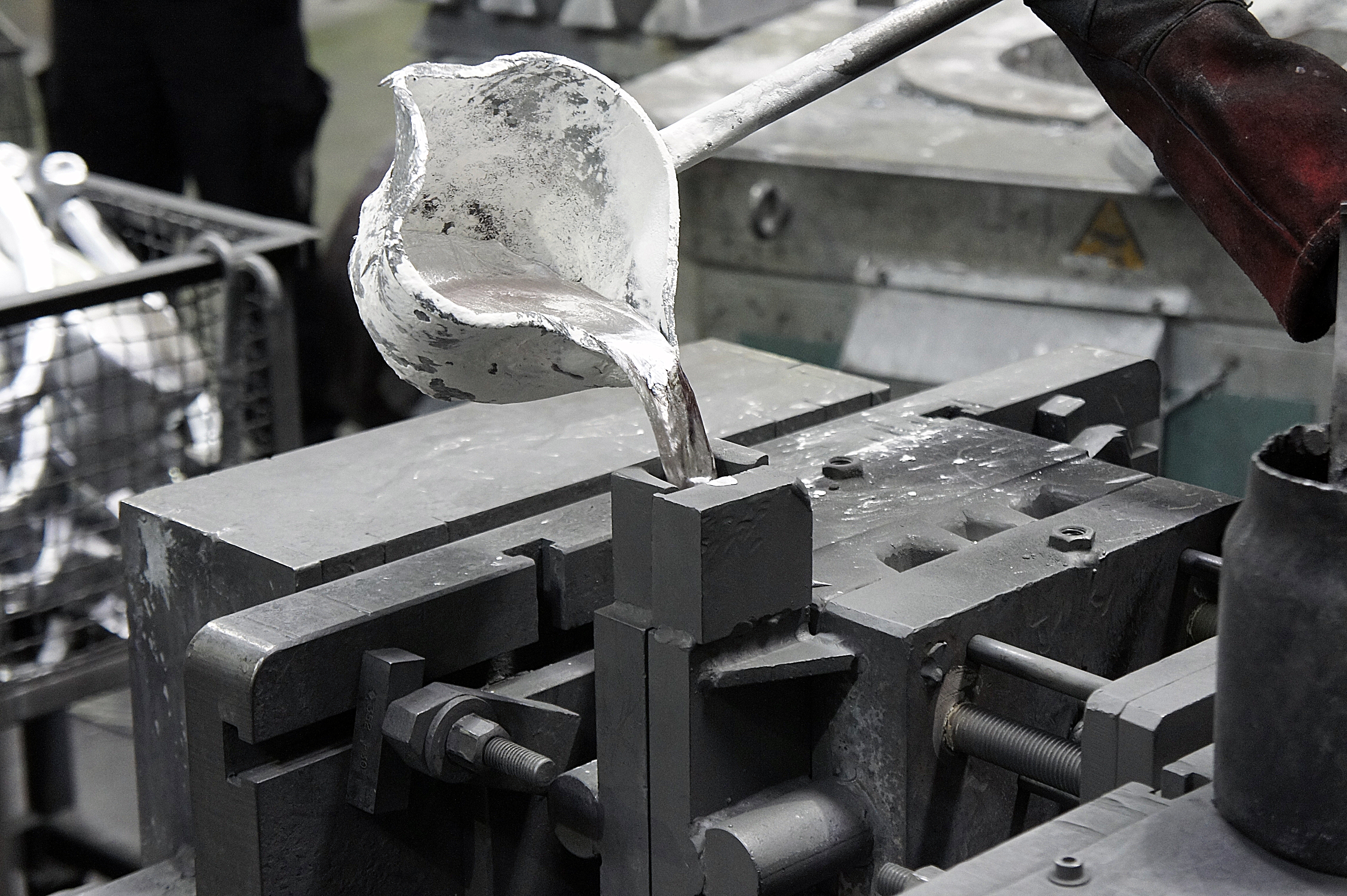
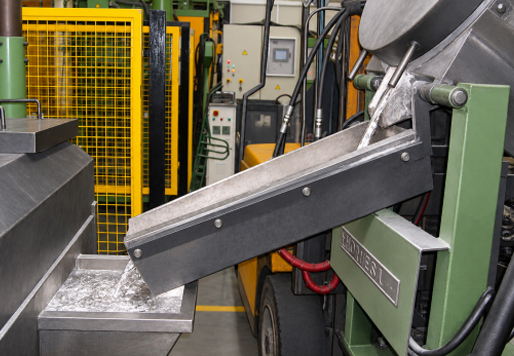
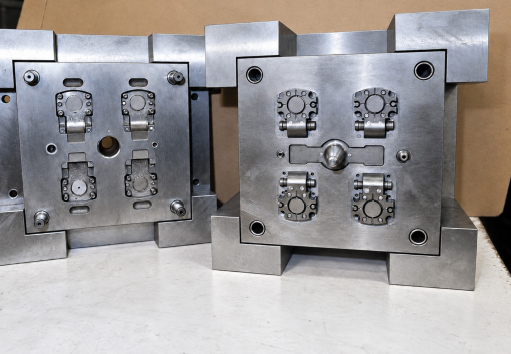
Our manual gravity casting process is particularly well-suited for small-batch production.
It offers great flexibility for producing aluminum parts in a
variety of shapes and in limited quantities.
The mold is filled naturally by gravity, without
pressure injection.
The resulting surface finish is rougher than that achieved with our automated aluminum injection process.
However, this technique remains perfectly suited for parts that require
subsequent machining, finishing, or additional treatment.
The group operates 17 hydraulic gravity casting machines in Portugal.

Injection molding Aluminum
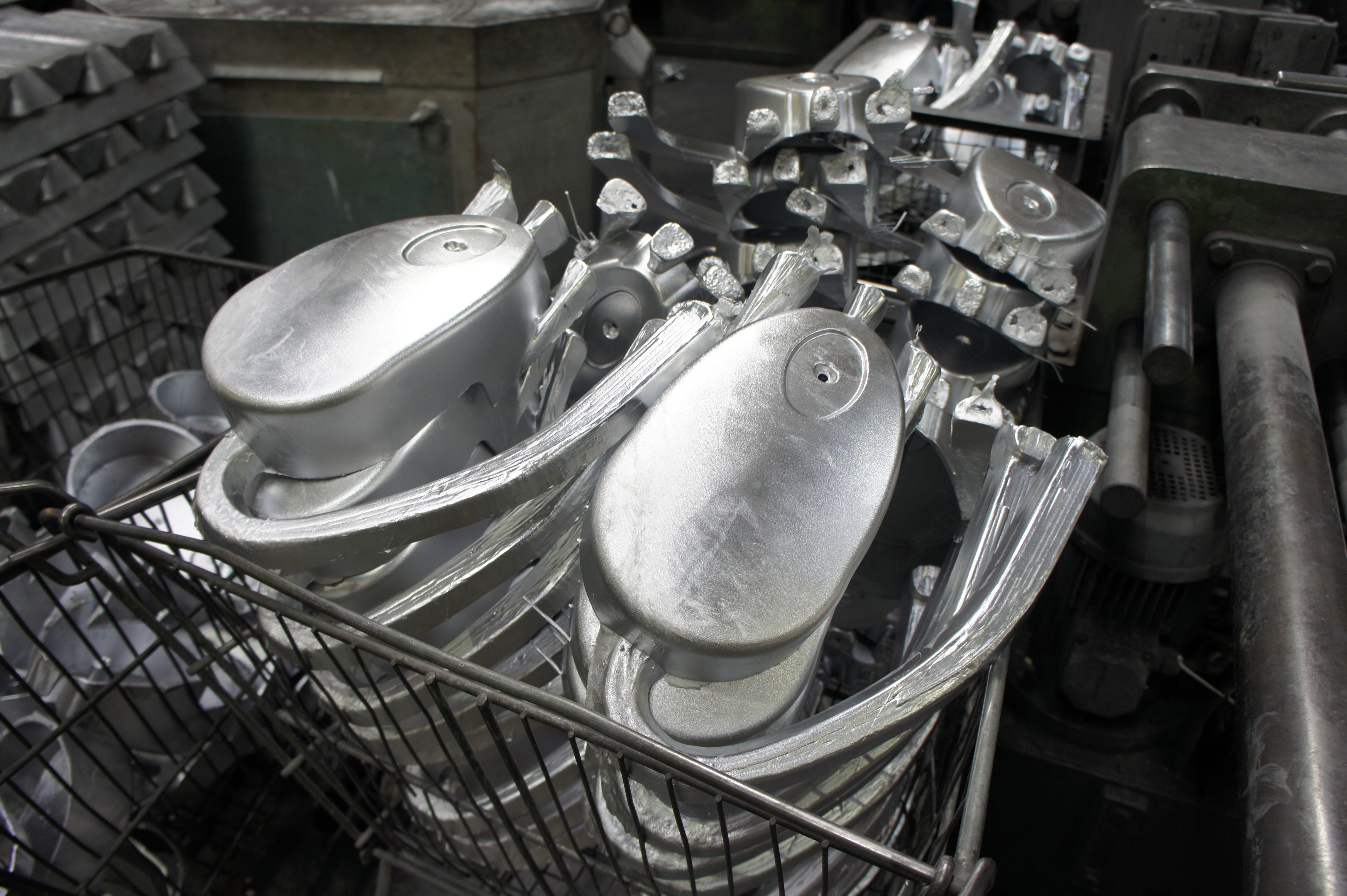
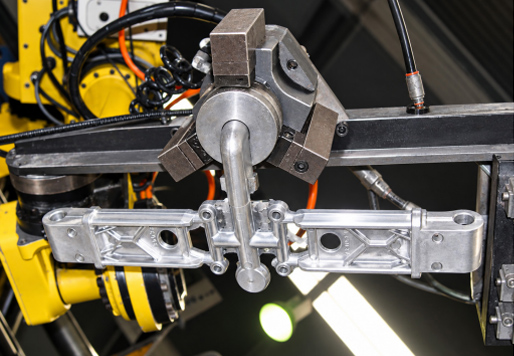
Automated aluminum injection molding is particularly well-suited for the production
of large batches of parts.
The automation of the cycles ensures consistent, precise, and fully controlled production.
It guarantees excellent repeatability from one part to the next and maintains
constant parameters throughout production.
This allows us to produce parts with a smooth and
uniform surface finish.
Control of the process minimizes defects and reduces the need for rework
after injection molding.
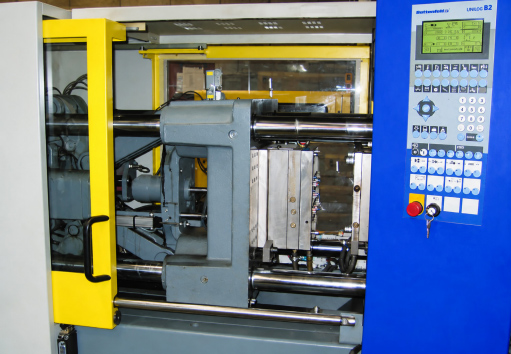
The group has nine injection molding machines with capacities ranging from 150 to 420
metric tons. They are located in Spain and Portugal.
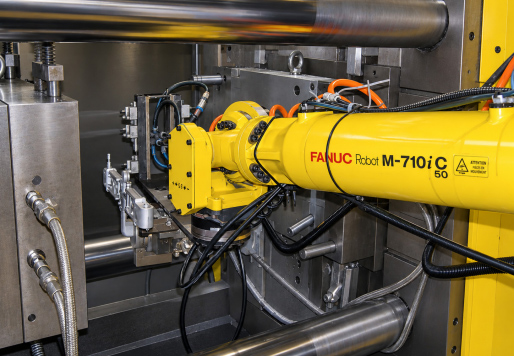
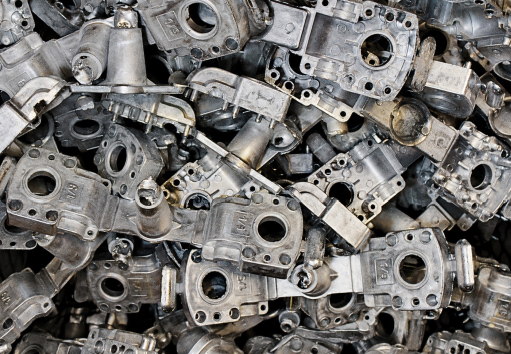
Zamak injection
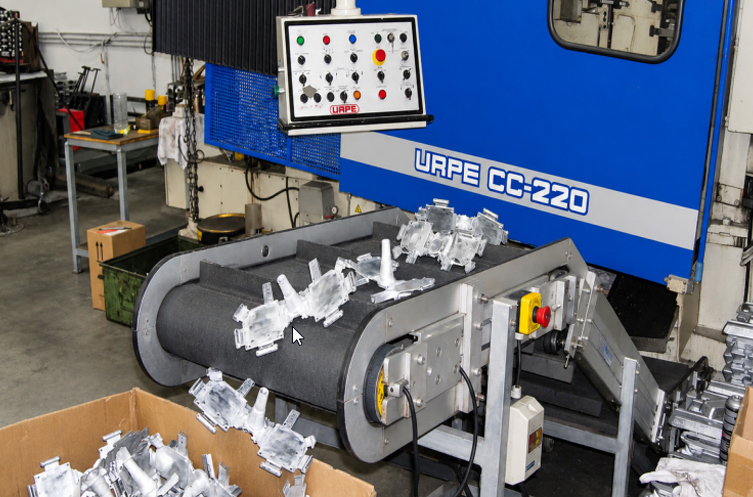
We use Zamak for certain parts subjected to high mechanical stresses while requiring thinner wall thicknesses.
This alloy is distinguished by its hardness, good impact resistance, and excellent mechanical properties.
It enables the production of reliable components suitable for applications that place
heavy demands on the material.
Zamak is therefore a particularly suitable solution when
mechanical strength and durability are essential.
A high-performance material for demanding applications, combining reliability,
stability, and longevity.
Machining of Cast Parts
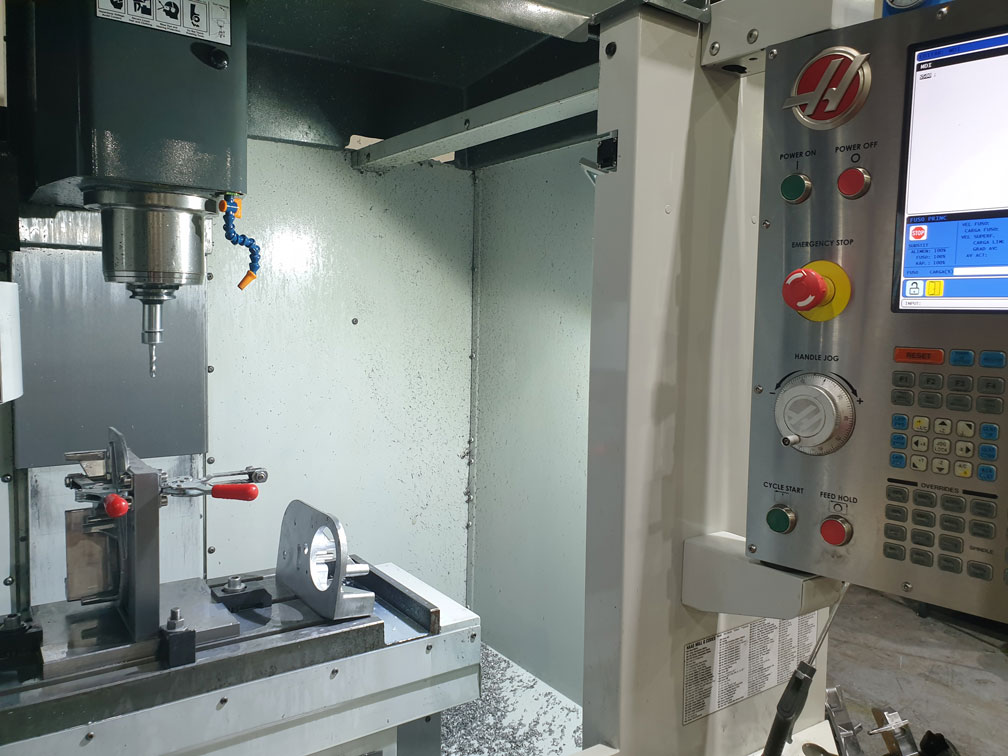
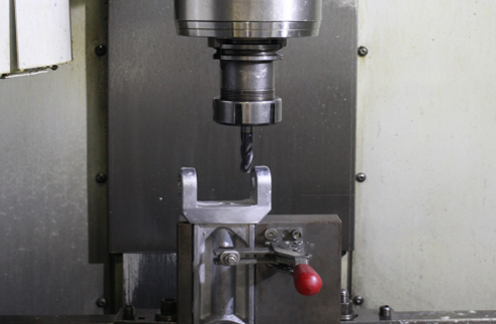
The machining of our parts relies on CNC machines
as well as conventional tooling.
Machining centers ensure precision, consistency, and repeatability for the most demanding operations.
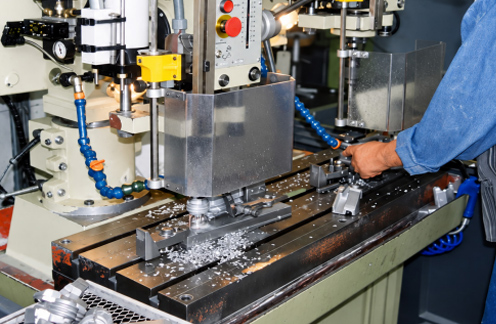
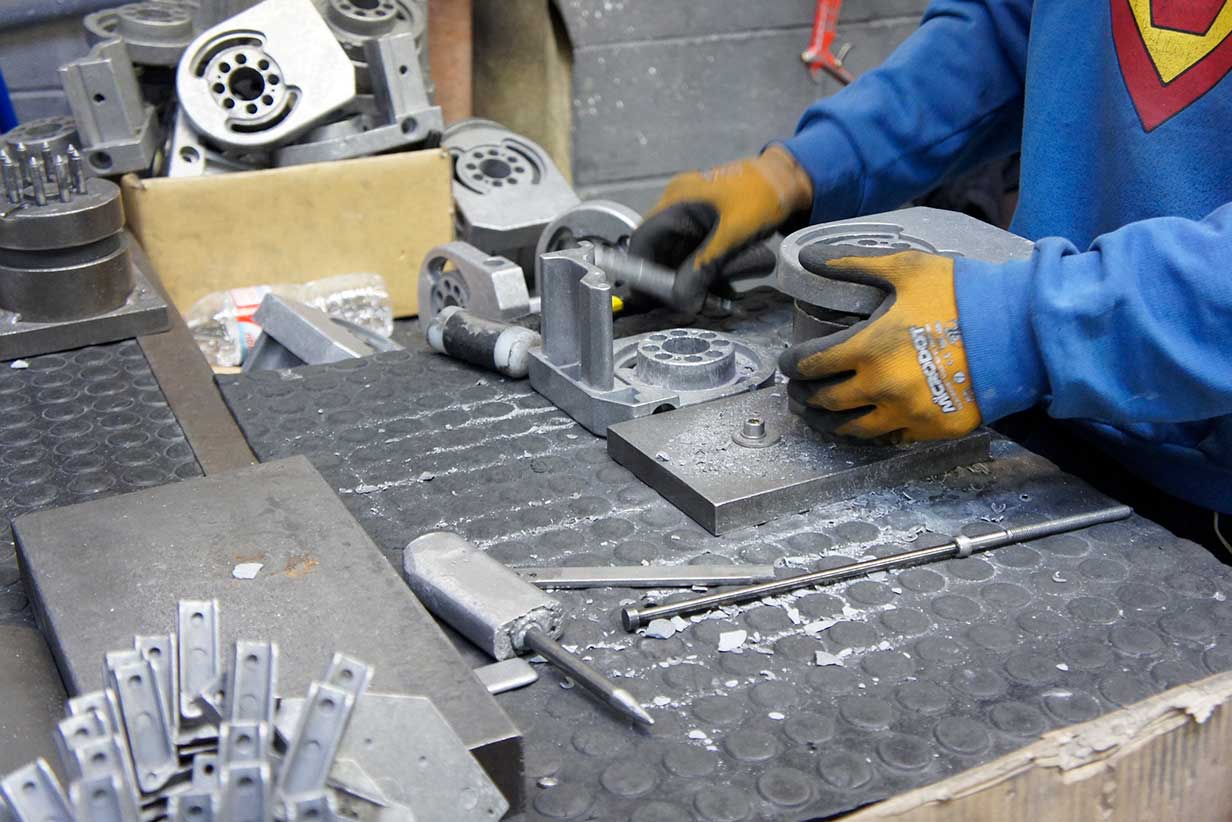
Manual equipment complements this setup for specific operations, adjustments, or small production runs.
This complementary approach allows us to adapt the production process to
the specific requirements of each part.
Drilling, milling, cutting, and reworking are thus performed with flexibility and precision.
NEW ALUMINIUM ALLOY
Improved Strength of Castings
As part of our ongoing commitment to improving the quality of our products, our aluminum foundries now use a new aluminum alloy for the production of castings.
This alloy contains less iron than traditionally used alloys, but this is offset by an increased manganese content (a transition metal similar to iron). The goal is to provide a material that combines strength and toughness, thanks to extremely fine grain size.
As a result, the alloy increases the mechanical strength and corrosion resistance of our castings.
After conducting numerous comparative tests, we found that our castings made with the new alloy exhibited 35% to 40% greater strength compared to those made with our traditional alloy.